

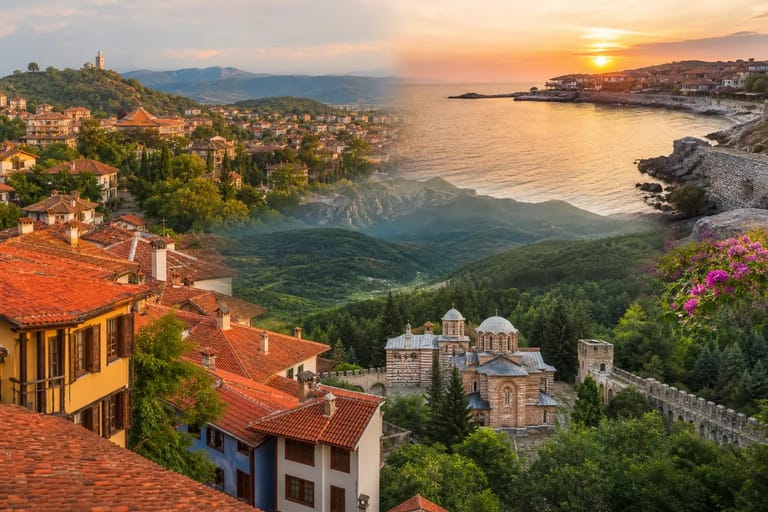
A brief answer: Практичный маршрут по Болгарии на неделю для первой поездки: София, Рильский монастырь, Пловдив, Велико — Тырново, Варна, Несебр and море без лишней гонки.
In brief
- The material addresses the topic in simple language and without unnecessary fluff.
- Facts that may change should be verified with current official sources or qualified specialists.
- The structure helps quickly find the main points: steps, nuances, FAQs, and useful internal links.
An optimal itinerary in Bulgaria for 7 days for your first trip: arrive in Sofia, explore the capital and Rila Monastery, spend a day in Plovdiv, travel through central Bulgaria to Veliko Tarnovo, then head to the Black Sea — Varna, Nessebar or Burgas. This plan offers a balance of history, mountains, ancient cities, and the sea without excessive haste.
- Best format: arrive in Sofia, depart from Varna or Burgas, if convenient flights are available. If not, the route can loop back to Sofia.
- Pace: intensive yet realistic for a first acquaintance: 2 nights in Sofia, 1 in Plovdiv, 1 in Veliko Tarnovo, 2 by the sea.
- Main points: Sofia, Rila Monastery, Plovdiv, Kazanlak or Shipka, Veliko Tarnovo, Varna, Nessebar.
- Transport: more convenient with a car for 3–5 days, but a basic route can be constructed using trains, buses, and taxis.
- Who it’s suitable for: for those visiting Bulgaria for the first time who want to see not only beaches but also the cultural framework of the country.
- What to check in advance: entry rules, transport schedules, opening hours of attractions, and the seasonality of seaside resorts.
How this itinerary is structured and why it’s convenient
Болгария компактна по европейским меркам, но за неделю невозможно спокойно увидеть все: горы, побережье, античные города, монастыри, винные регионы, природные парки and маленькие деревни. Поэтому хороший первый маршрут должен не перечислять максимум точек, а выстраивать логичную линию: столица, духовный центр, старый город, историческая столица, море.
Предложенный маршрут подходит для путешественников, которые хотят понять страну, а не просто поставить отметки на карте. В нем есть несколько разных «слоев» Болгарии: современная София, православные монастырские традиции, римское and османское наследие Пловдива, средневековая атмосфера Велико-Тырново and Черноморское побережье с Несебром.
Если вы едете летом and море — главный приоритет, можно сократить центральную часть and добавить ночь на побережье. Если поездка весной или осенью, наоборот, стоит дать больше времени Софии, Пловдиву and Велико-Тырново, а море оставить как атмосферный финал без ожиданий пляжного отдыха.
7-day itinerary: overview by days
| Afternoon | Base | What to see | Logic of the day |
|---|---|---|---|
| 1 | Sofia | Center of Sofia, Alexander Nevsky Cathedral, ancient ruins, boulevards and parks | A gentle start after the journey |
| 2 | Sofia | Rila Monastery, optionally Boyana Church or a walk at the foot of Vitosha | Day for the main spiritual attraction |
| 3 | Plovdiv | Old town, Ancient theater, Kapana district, hills | Transfer and one of the most beautiful urban days |
| 4 | Veliko Tarnovo | Kazanlak, Shipka, or direct transfer; Tsarevets fortress in the evening | Crossing through central Bulgaria |
| 5 | Varna or the coast | Veliko Tarnovo in the morning, Arbanasi optionally, then transfer to the sea | Changing from historical sites to the Black Sea |
| 6 | Varna, Burgas, or Nessebar | Sea garden of Varna, beach, Nessebar or a relaxing day by the sea | A day without heavy logistics |
| 7 | The coast or Sofia | Nessebar, Burgas, the last lunch by the sea or returning to Sofia | Final of the itinerary and departure |
Day 1. Sofia: first impression of Bulgaria
Начните с центра Софии. Для первого дня важно не перегрузить программу: после перелета или долгого переезда город лучше воспринимается через прогулку, а не через марафон по музеям. В центре компактно расположены знаковые места: храм-памятник Александра Невского, площадь вокруг собора, здание парламента, ротонда Святого Георгия, античные фрагменты Сердики, минеральные источники and пешеходные улицы.
София интересна тем, что не выглядит как «открыточная» столица в одном стиле. Здесь рядом стоят античные руины, православные храмы, здания разных эпох, социалистическая архитектура and современные кафе. Для первого вечера хорошо подойдут неспешная прогулка по центральным улицам, ужин с болгарской кухней and ранний отдых.
What Not to Miss in Sofia
- The Alexander Nevsky Cathedral and the square around it.
- The Rotunda of St. George — one of the most recognizable early Christian monuments in the city.
- The archaeological zone of ancient Serdica in the center.
- Vitosha Boulevard for strolling, cafes, and a first taste of city life.
- One of the parks if you want to slow down after the journey.
If you have an early flight, you can add the National Archaeological Museum or another museum of interest. But be sure to check the opening hours and holidays in advance: museum schedules change, and special rules may apply during holiday periods.
Day 2. Rila Monastery: the main outing from Sofia
Рильский монастырь — одна из ключевых достопримечательностей Болгарии and объект, который часто включают в первую поездку даже при коротком маршруте. Он расположен в горной местности, поэтому день лучше планировать отдельно: дорога, осмотр территории, пауза на обед and возвращение в Софию занимают значительную часть дня.
Это действующий монастырь, поэтому важно вести себя уважительно: выбирать уместную одежду, не шуметь, уточнять правила фото- and видеосъемки на месте. Даже если вы не интересуетесь религиозной историей, поездка ценна благодаря архитектуре, росписям, горному ландшафту and ощущению изолированного духовного центра.
Если вы путешествуете на машине, можно гибче распределить день. Если без машины — ищите организованный трансфер, экскурсию или актуальное общественное сообщение. Не полагайтесь на старые расписания из блогов: транспортные варианты зависят от сезона and перевозчика.
Is it worth adding the Boyana Church?
The Boyana Church is located in the Sofia area at the foot of Vitosha Mountain and is known for its medieval frescoes. It is sometimes added to the same day as Rila Monastery, but this makes the schedule tight. This option is suitable for those who love church art and are ready for an early start. If you prefer a calmer travel pace, it's better to leave Boyana for the morning of the third day or skip it.
Day 3. Plovdiv: Old Town, Hills, and Kapana
Пловдив — обязательная остановка в маршруте по Болгарии на неделю. Это один из самых выразительных городов страны: старый город на холмах, античное наследие, дома периода Болгарского возрождения, творческий район Капана and приятная пешеходная среда. Здесь хорошо провести минимум одну ночь, потому что вечерний Пловдив отличается от дневного: становится тише, мягче and атмосфернее.
После переезда из Софии оставьте багаж and идите в Старый город. Основная прогулка может включать Античный театр, мощеные улицы, старинные дома, видовые точки на холмах and центральную пешеходную зону. Капана подойдет для обеда, кофе, небольших галерей and вечернего ужина.
How to Spend the Day without Overloading
- In the morning, transfer from Sofia to Plovdiv.
- Check in or leave your luggage at the hotel.
- Explore the Old Town and ascend to one of the viewpoints.
- View the Ancient Theater from the outside or inside if the site is open.
- In the evening, spend time in Kapana and on the pedestrian streets.
Plovdiv is a city where you shouldn't plan every minute. Its value lies in the details: the balconies of old houses, quiet alleys, views from the hills, small courtyards, and the contrast between antiquity and modern urban culture.
Day 4. Through Kazanlak and Shipka to Veliko Tarnovo
Четвертый день — самый «маршрутный». Его можно сделать двумя способами. Первый — прямой переезд из Пловдива в Велико-Тырново с большим запасом времени на прогулку. Второй — более насыщенный вариант через район Казанлыка and Шипки, если вы на автомобиле или нашли удобную экскурсионную логистику.
Казанлык связан с Долиной роз and фракийским наследием. В регионе есть объекты, связанные с фракийскими гробницами, но режим посещения конкретных памятников and музеев нужно проверять заранее. Шипка известна как важное историческое место and видовая точка в горах. Для первого путешествия это хороший способ увидеть центральную Болгарию не только через города, но and через ландшафт.
К вечеру приезжайте в Велико-Тырново. City эффектно расположен на холмах над рекой, а крепость Царевец — его главный визуальный символ. Если есть силы, начните знакомство с вечерней прогулки: виды на старые кварталы and изгибы рельефа особенно хорошо воспринимаются в мягком свете.
Day 5. Veliko Tarnovo and transfer to the Black Sea
Утро посвятите Велико-Тырново. Home точка — крепость Царевец, но не ограничивайтесь только ею. Прогуляйтесь по старым улицам, посмотрите ремесленные лавки, остановитесь на видовых площадках. Велико-Тырново важно не столько отдельными объектами, сколько рельефом and ощущением средневекового города, встроенного в крутые склоны.
Если у вас есть автомобиль and достаточно времени, можно заехать в Арбанаси — историческое село рядом с Велико-Тырново, известное традиционной архитектурой and церквями. Однако добавляйте его только при спокойном графике: впереди переезд к морю, and лучше приехать на побережье не слишком поздно.
Для морской базы выберите Варну, Бургас, Несебр или один из курортов между ними. Варна удобна для тех, кто хочет городскую инфраструктуру, музеи, рестораны and Морской сад. Бургас — практичная база для южного побережья. Несебр лучше для атмосферы старого города, но в высокий сезон там может быть многолюдно.
Day 6. Varna, Nessebar, or a Relaxing Day at the Sea
Шестой день лучше сделать менее напряженным. После нескольких переездов путешественникам часто нужен день без жесткого расписания. Если вы остановились в Варне, начните с Морского сада, набережной, пляжа and исторического центра. Если база ближе к Бургасу или Несебру, посвятите день старому Несебру and морю.
Старый Несебр расположен на небольшом полуострове and известен древними церквями, каменно-деревянной архитектурой and морскими видами. Это одно из самых популярных мест на болгарском побережье, поэтому в высокий сезон лучше приходить утром или ближе к вечеру, когда меньше дневных групп and мягче свет.
Если пляжный отдых важен, не пытайтесь в этот день «добрать» все города побережья. Черное море в Болгарии лучше работает в медленном режиме: завтрак у воды, прогулка, купание по погоде, обед с рыбой или местными блюдами, вечерняя набережная.
Day 7. Route finale: Nessebar, Burgas, or return to Sofia
Последний день зависит от аэропорта вылета. Если вы улетаете с побережья, можно спокойно досмотреть Несебр, Бургас или Варну, купить сувениры and оставить запас времени на дорогу. Если вы возвращаетесь в Софию, не планируйте на этот день сложные экскурсии: переезд через страну потребует концентрации and временного резерва.
При вылете из Бургаса хорошим завершением может стать прогулка по Морскому саду and центральной части города. При вылете из Варны — набережная, Морской сад and неспешный обед. При возвращении в Софию лучше выехать заранее and оставить вечер на отдых перед ранним рейсом.
Car, train, or bus: what to choose
Transportation is the key factor that determines the comfort of your route. You can travel around Bulgaria using public transport, but not all connections are equally convenient, especially if you want to combine Rila Monastery, Plovdiv, Veliko Tarnovo, and the sea in one week. A car provides freedom but adds responsibility: parking, mountain roads, insurance, rental rules, toll road requirements, and driver fatigue require careful consideration.
| Price range | Pros | Cons | Who It Suits |
|---|---|---|---|
| Car Rental | Flexible schedule, convenient for Rila Monastery, Shipka, Arbanasi, stops along the way | Check rental conditions, parking, road rules, driver workload | For couples, families, experienced drivers, and self-guided travel enthusiasts |
| Trains and Buses | You don't have to drive, it's easier to relax during the journey, suitable for larger cities | Timetables and transfers limit your route, making it harder to reach some locations | For those willing to shorten their program and stay overnight in major transport hubs |
| Excursions from cities | Less logistics, convenient for Rila Monastery and individual trips | Less freedom, depends on the organizer's schedule and season | For beginners, travelers without a car, and those who don't want to plan the details |
| Mixed option | You can only rent a car for difficult segments and connect cities via public transport | Will require more planning and precise connections | For those seeking a balance of budget, freedom, and safety |
Where to stay along the route
Для первого путешествия не стоит менять отель каждую ночь без необходимости. Оптимальная схема: София — 2 ночи, Пловдив — 1 ночь, Велико-Тырново — 1 ночь, побережье — 2 ночи. Она снижает усталость and оставляет время на вечерние прогулки.
В Софии удобнее жить ближе к центру или к транспортной линии, которая подходит под ваши планы. В Пловдиве лучше выбирать район, откуда можно пешком дойти до Старого города and Капаны. В Велико-Тырново ценны виды, но учитывайте рельеф: улицы могут быть крутыми. На море выбор зависит от цели: Варна and Бургас — городская инфраструктура, Несебр — атмосфера, курортные зоны — пляж and отельный отдых.
What to take with you: practical checklist
- Documents and insurance: check your passport, entry conditions, health insurance, and the requirements of your airline or carrier.
- Navigation: download offline maps, mark hotels, parking lots, train stations, and key points along your route.
- Clothing: take comfortable shoes for cobblestones, hills, and monastery courtyards; choose a modest outfit for religious sites.
- Weather: keep in mind that conditions in the mountains, cities, and along the coast can vary even in the same season.
- Transport: check schedules in advance, car rental conditions, return policies, parking, and possible restrictions.
- Time buffer: don’t schedule important transfers too close to departure or closing times.
- Money and communication: check the conditions for bank cards, mobile internet, and roaming with your providers.
- Plan B: prepare an alternative in case of rain, heat, a closed museum, or transport delays.
How to adapt your route for the season
Spring and Autumn
This is a great time for cities, monasteries, and walks. The weather is usually more comfortable for exploring Sofia, Plovdiv, and Veliko Tarnovo than on a hot summer day, but sudden changes in conditions can occur in the mountains. A sea day during such a trip should be viewed as a stroll, not necessarily a beach day.
Summer
In summer, it's reasonable to add more time by the sea and plan city walks in the morning or evening. Popular coastal spots can be crowded, and parking and accommodations require early booking. An early start is especially beneficial for Nessebar.
Winter
In winter, it's better to make the route more urban: Sofia, Plovdiv, Veliko Tarnovo, museums, cafes, short walks. Mountain roads, weather conditions, and the accessibility of certain sites should be checked very carefully. The beach part in this season is more atmospheric than resort-like.
Typical mistakes on the first trip
- Trying to see the whole country in a week. Bulgaria may seem small, but travel times, mountain roads, and city walks can quickly become tiring.
- Planning Rila Monastery 'along the way'. For most travelers, this is a separate trip, not a quick stop.
- Ignore the terrain. Plovdiv and Veliko Tarnovo require comfortable shoes: hills, stairs, and cobblestones are part of the experience.
- Not checking schedules. Public transport and the operating hours of sites may depend on the season, day of the week, and holidays.
- Choosing only the sea. The Bulgarian coast is pleasant, but the first trip becomes much richer if you add Sofia, Plovdiv, and the interior regions.
If you want unusual places
If you have already been to Sofia or want to add a natural emphasis, you can replace part of the route with caves, rock monasteries, waterfalls, or mountain paths. But for the first week, it's better not to overload the plan: unusual places often require separate logistics, a car, and a weather buffer. A deeper selection of natural destinations should be considered as an extension of this route rather than a mandatory part of the first trip.
FAQ: Frequently asked questions about the route in Bulgaria for 7 days
Can this route be done without a car?
Yes, but it will need to be simplified. Sofia, Plovdiv, Varna, Burgas, and Veliko Tarnovo are connected by public transport; however, trips to Rila Monastery, Shipka, Arbanasi, and some natural sites are more convenient by car or organized excursion. Check current schedules before purchasing tickets.
What is better for the first trip: Sofia and the mountains or the Black Sea?
If the trip is in summer and you want to relax, add more days by the sea. If the goal is to understand the country, it's better to combine: Sofia, Rila Monastery, Plovdiv, and at least one coastal city. A beach-only route will give an incomplete picture of Bulgaria.
How many nights should be reserved for Sofia?
For the first route, it's convenient to allocate two nights: the day of arrival and a separate day for Rila Monastery or Sofia. If you arrive early and do not plan a trip to the monastery, you can shorten the stay in the capital to one night, but the schedule will become tighter.
Is it worth going to Nessebar if you already have Varna?
Yes, if you are interested in old towns and maritime architecture. Varna is a large lively city with parks and infrastructure, while Nessebar is a compact historical peninsula with a special atmosphere. But in the high season, allocate time for crowds, parking, and leisurely sightseeing.
Can Veliko Tarnovo be replaced with more time by the sea?
Yes. If you are traveling with children, going in the hot season, or prefer not to undertake long travels, keep Plovdiv and head straight to the coast. Veliko Tarnovo is worth including for those interested in history, views, and the old urban environment.
Is special clothing required for monasteries?
For active religious sites, it's best to choose modest clothing that covers the shoulders and overly exposed areas of the body. Specific rules may vary, so rely on signs and the requests of staff on site.
When is it best to book accommodation?
During popular seasons and on the coast, it’s advisable to book in advance, especially if specific areas, parking, or family rooms are important. In the low season, the selection is typically broader, but schedules for properties and transport may be less convenient.
Conclusion
Bulgaria in 7 days is not a race through all the sights but a well-planned introduction to the country. The most balanced route connects Sofia, the Rila Monastery, Plovdiv, Veliko Tarnovo, and the Black Sea. It showcases Bulgaria as a land of cities, mountains, monasteries, ancient history, and beach leisure. The key is not to overload the days, to check transport and opening hours of sites in advance, and to leave at least one relaxing day by the sea at the end.